
- Electronic signature for hospitality management reduces friction at critical guest touchpoints (pre-arrival forms, check-in, BEO sign-off, credit-card authorizations), cutting lobby time and lifting satisfaction tied to mobile/app experiences.
- Contactless flows are now mainstream priorities: 53.6% of travelers want contactless check-in/checkout to stay, while 53.7% of hotel executives rank mobile tech to streamline front desk as a top-three-year priority.
- Strong compliance tailwinds (E-SIGN Act; PCI DSS 4.0 full enforcement from April 1, 2025) make digital agreements safer and auditable, replacing risky paper card-auth forms.
- Properties deploying digital registration and eSignature report faster arrivals and less paper/admin—freeing staff for high-value service and upsell moments.
Introduction
Imagine this scenario: A guest arrives at your hotel after a long flight. They are tired, hungry, and just want to get to their room. Instead of a seamless welcome, they find themselves standing in line, waiting to sign a paper registration card, hand over a credit card for a manual imprint, and fill out a liability waiver.
This friction at the front desk isn’t just an annoyance for the guest; it’s a bottleneck for your entire operation.
In the hospitality industry, speed and certainty at the front desk can define the entire stay. Paper-heavy processes create delays, introduce errors, and expose sensitive data to compliance risks. This is where an electronic signature for hospitality management changes the game. By replacing physical paperwork with verified, mobile-first workflows, you can streamline operations, boost security, and deliver the modern experience your guests expect.
Let’s explore how eSignatures are reshaping hospitality, from the lobby to the back office.
Why contactless and digital solutions are the future
The demand for digital convenience isn’t just a passing trend; it’s the new standard. Guests today expect the same level of digital ease in their hotel stays as they do in their banking or shopping experiences.
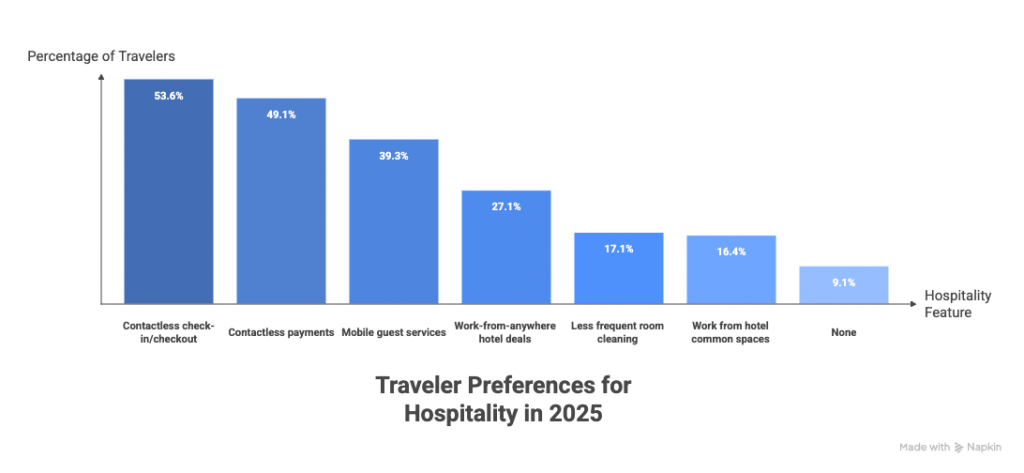
Recent data paints a clear picture of this shift. According to an Oracle Hospitality and Skift study, 53.6% of travelers want contactless check-in and checkout to become permanent features. It’s not just about preference; it’s about satisfaction. J.D. Power’s 2025 North America Hotel Guest Satisfaction study ties digital to outcomes: U.S. guests who use their hotel’s mobile app report overall satisfaction scores 68 points higher than non-users (699 vs. 631 on a 1,000-point scale).
For hotel executives, the message is clear. Digitizing the guest journey isn’t just “nice to have”—it’s a critical strategy for staying competitive. Mobile-first solutions that allow guests to handle administrative tasks before they even step into the lobby are essential for modernizing the guest experience.
Key benefits of eSignatures in hospitality
Adopting an electronic signature for hospitality management strategy does more than just save paper. It fundamentally improves how your property functions.
Streamlined pre-arrival and check-in
The traditional check-in process is often the biggest pain point in the guest journey. By moving paperwork to a digital format, you can send registration cards and waivers to guests via email or SMS before they arrive. They can review and sign everything on their own device, at their own pace.
This pre-arrival completion means that when they walk through your doors, the hard work is already done. Front desk agents simply verify ID and hand over the keys. To implement this effectively, many hotels use a standardized workflow plan hospitality template that triggers these documents automatically based on reservation data. This ensures no guest is missed and every necessary consent is captured before arrival. For example, hotels like Mr. C Coconut Grove have eliminated paper bottlenecks by adopting a tablet-based digital registration system, helping streamline the check-in process and reduce paper waste.
Simplified group and event management
For properties that handle Meetings, Incentives, Conferences, and Exhibitions (MICE), paperwork can be a nightmare. Banquet Event Orders (BEOs) often go through multiple rounds of revisions, and getting a physical signature can delay deposits and lock up inventory.
eSignatures accelerate this entire cycle. Sales teams can send contracts and BEOs digitally, allowing planners to sign off instantly from anywhere. This creates a faster turnaround time and reduces the risk of disputes later on, as every change is tracked and version-controlled. Major players like Radisson Hotel Group have successfully used this approach to standardize their sales workflows across dozens of properties.
Enhanced compliance and security
Paper forms are inherently risky. They get lost, they can be accessed by unauthorized staff, and they are difficult to audit. With strict regulations like the E-SIGN Act and the upcoming full enforcement of PCI DSS 4.0, sticking to paper credit card authorization forms is a liability.
Digital solutions offer a much safer alternative. Secure, tokenized digital flows ensure that sensitive payment data is handled correctly. An electronic signature in the tourism industry isn’t just about convenience; it’s about creating a tamper-evident audit trail that proves exactly who signed what and when. This level of security is essential for protecting your business and the data of your guests.
Operational efficiency for staff
When your front desk staff isn’t buried in paperwork, they can focus on what they were hired to do: provide hospitality. Reducing administrative burdens frees up time for high-value interactions. Instead of processing forms, your team can focus on personalized welcomes, answering questions, and identifying upsell opportunities.
However, technology is only as good as the people using it. Implementing signature training for hotels is vital to ensure your team feels confident explaining the digital process to guests and troubleshooting any minor issues. A well-trained staff turns a new tool into a powerful asset for guest satisfaction.

Real-world success stories
The impact of going digital is measurable. Here are two examples of properties that transformed their operations with eSignatures.
Mr. C Coconut Grove (Miami)
This luxury property faced a common challenge: paper registration cards were slowing down arrivals and clashing with their sustainability goals. By switching to a tablet-based digital registration system, they eliminated 700–1,000 sheets of paper every month. More importantly, the check-in process became faster and smoother, allowing staff to dedicate more time to providing personalized service than managing files.
Radisson Hotel Group
Managing group contracts across a massive portfolio is complex. Radisson rolled out an eSignature workflow for their meetings and events proposals across 75+ hotels. The result was immediate: faster approvals from planners and consistent, audit-ready digital trails for every contract. This shift reduced administrative drag and helped their sales teams close deals faster.
How to get started with eSignatures in hospitality
Transitioning to a digital workflow doesn’t have to be overwhelming. Here is a practical path to implementation:
- Audit your paperwork: Identify the documents that cause the most friction. This usually includes registration cards, liability waivers, BEOs, and credit card authorization forms.
- Digitize key documents: Convert these forms into digital templates. Ensure they are mobile-responsive so guests can sign easily on a smartphone.
- Use standard templates: Don’t reinvent the wheel. Utilize a workflow plan hospitality template to map out exactly when documents should be sent (e.g., 48 hours pre-arrival) and who needs to be notified upon completion.
- Integrate with your systems: Connect your eSignature solution with your Property Management System (PMS) or CRM. This automation reduces manual data entry and ensures signed documents are automatically stored in the guest’s profile.
- Train your team: Roll out signature training for hotels to your staff. Make sure they understand the security benefits and how to assist guests who might be less tech-savvy.
Why SignNow is the perfect fit
If you are looking for a solution that balances power with simplicity, SignNow is designed specifically for the needs of SMBs and mid-market hospitality businesses.
- Ease of use: SignNow offers an intuitive, mobile-first interface. Your guests don’t need to download an app or create an account to sign—removing a major barrier to adoption.
- Scalability: Unlike other platforms that punish growth with per-user fees, SignNow offers transparent pricing and unlimited users on select plans. This allows you to scale across multiple properties without worrying about spiraling costs.
- Compliance & security: SignNow provides robust audit trails, encryption, and is ready for PCI DSS standards, ensuring your signature hospitality services remain secure and legally binding.
- 24/7 support: Hospitality never sleeps, and neither should your support. SignNow provides round-the-clock assistance to ensure your operations keep running smoothly.
Get started with SignNow in minutes by watching our quick video guide, and discover the comprehensive eSignature tools available for your business.
Final thoughts
The hospitality industry is evolving, and the days of cluttered front desks and lost paperwork are numbered. Embracing electronic signatures is a strategic move that enhances the guest experience, secures sensitive data, and empowers your staff to work more efficiently. By streamlining workflows, you’re not just saving time—you’re elevating your standard of service. Whether you manage a boutique hotel or a growing chain, the right tools can make all the difference.
Ready to transform your guest experience? Explore SignNow today and discover a cost-effective, scalable solution for your signature hospitality services.
Glossary
- eSignatures: Electronic signatures (eSignatures) are digital forms of signatures that allow documents to be signed securely online, replacing the need for pen-and-paper signatures.
- BEO (Banquet Event Order): A document outlining all the details and requirements for an event or banquet, commonly used in hotels and venues to ensure all parties are aligned.
- PCI DSS (Payment Card Industry Data Security Standard): A set of security standards designed to ensure that all companies processing, storing, or transmitting credit card information maintain a secure environment.
- E-SIGN Act: The Electronic Signatures in Global and National Commerce Act is a U.S. law that grants legal recognition to electronic signatures and records, provided certain requirements are met.
FAQ
1. Are eSignatures legal for hotel registration cards and BEOs in the U.S.?
Yes, eSignatures are legally recognized under the E-SIGN Act. Ensure that you have the guest’s consent to receive documents electronically and that you maintain a secure audit trail.
2. How do eSignatures reduce check-in time?
Guests can complete registration forms and consents before they arrive. At check-in, front-desk staff simply verify IDs and hand over keys (or enable digital access), resulting in shorter wait times and smoother arrivals.
3. Are emailed credit-card authorization forms acceptable?
No, they present security risks. With PCI DSS 4.0 now enforceable, hotels should switch to tokenized, PCI-compliant payment capture methods that use eSigned consent forms for better security.
4. What KPIs should we track for e-signature adoption?
Key metrics include time-to-sign, percentage of pre-arrival completions, lobby wait times, mobile-key adoption rates, BEO cycle times, chargebacks, and guest satisfaction (such as CSAT/NPS scores by app users versus non-users).
5. Does eSignature help sustainability goals?
Yes, moving to digital signatures reduces the need for paper and storage. For example, a Miami property cut out 700–1,000 sheets of paper per month by switching to tablet-based registrations.